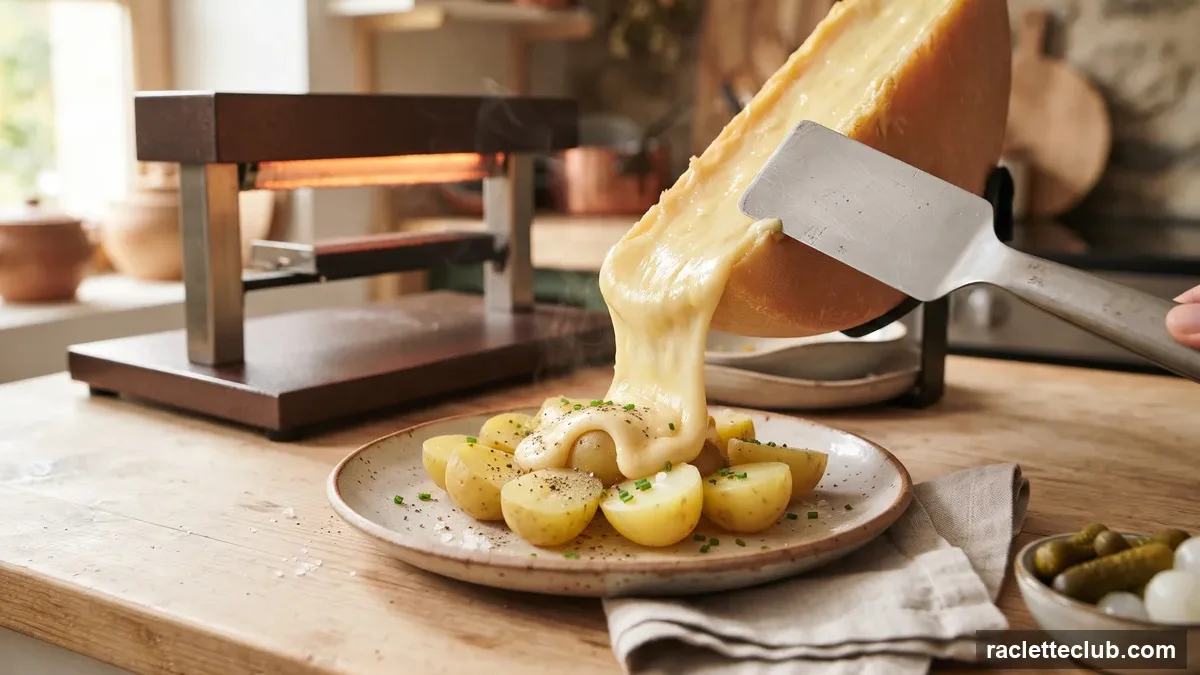
Raclette is melted cheese scraped onto potatoes. Nothing could be simpler, and yet few dishes bring people together like this one. You share it around the table, everyone melts their own portion, and the evening stretches on without anyone noticing.
In this guide, we cover it all: where raclette comes from, which cheeses to choose, how to host a raclette night, what equipment to use and how to pick the right machine.
What is raclette?
The word “raclette” means both a cheese and a dish. The dish consists of melting the surface of a cheese, then scraping it off onto potatoes boiled in their skins. It comes with gherkins, small pickled onions and, often, cured meats.

The name comes from the French verb racler, which means “to scrape”. That is exactly the gesture of the dish: you scrape the melted cheese with a knife or a scraper so it falls onto the plate.
Raclette was born in the Alps, among farmers and herdsmen. Cheese was the food they had at hand, and a wood fire was enough to melt it. Today it is one of the signature dishes of Switzerland and a winter classic in France.
The history of raclette
Melting cheese over a fire is an old tradition in the Alps. According to the trade association Raclette Suisse, writings from the 12th century in the canton of Unterwalden, in central Switzerland, already describe cheese melted over hot embers. In Swiss German it was called Bratchäs, “roasted cheese”. It is the ancestor of raclette. Legend even has it that William Tell ate some in 1291, but Raclette Suisse itself presents this as a mere guess. In Valais, the first written description dates from 1574.
The dish as we know it is mostly associated with Valais, a French-speaking canton in south-western Switzerland. There, a wheel of cheese was cut in half and the cut face was held close to the fire. Once the cheese had melted, it was scraped straight onto the potatoes.
In Valais, raclette is traditionally served with potatoes in their skins, gherkins and small pickled onions. To drink, people like a white wine from Valais such as Fendant, or black tea.
The dish then spread throughout Switzerland and into neighbouring regions. In Savoie and Haute-Savoie, it became a speciality in its own right. Electric tabletop machines changed everything: no more need for a wood fire or half a wheel. Everyone melts their own slice in a small pan, and raclette moved into people’s homes.
To see how it is eaten elsewhere, read our page on raclette around the world.
The different raclette cheeses
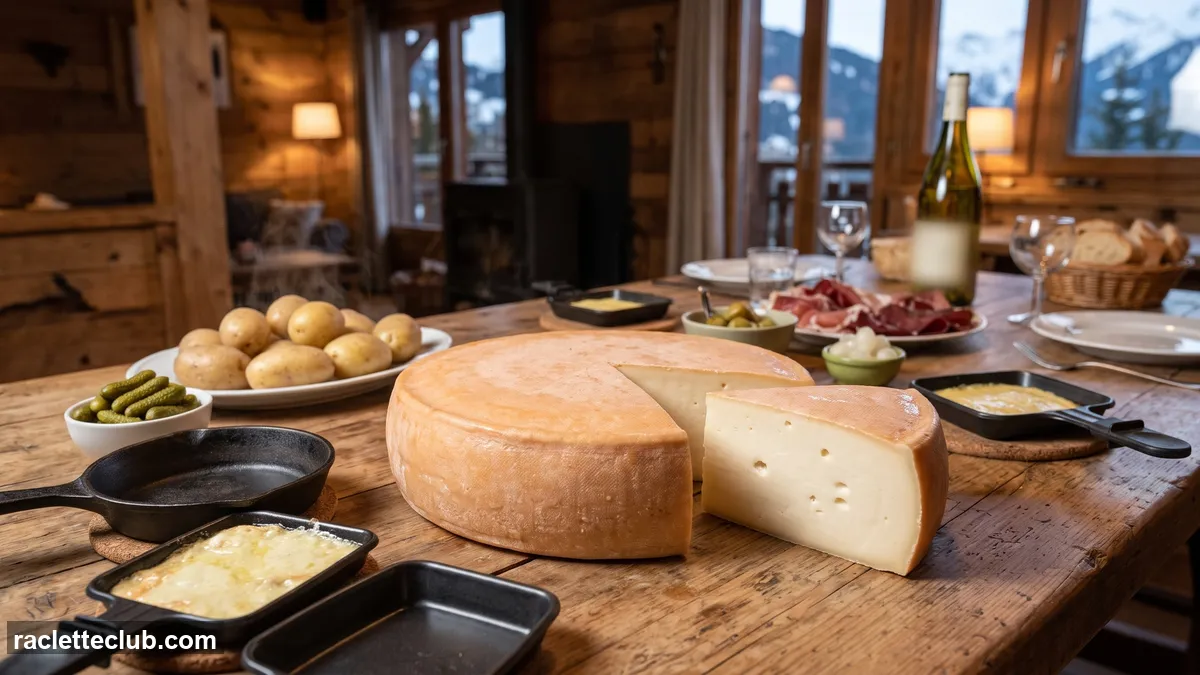
A good raclette cheese must melt easily without separating into fat and paste. Most are cow’s milk cheeses with a pressed, uncooked paste. Here are the main ones.
Raclette du Valais AOP
This is the historic raclette. It is made from raw cow’s milk, only in the canton of Valais (with a small exception for one neighbouring alpine pasture in the canton of Bern). Silage is banned from the cows’ feed. Its taste is distinctive and varies with the dairy or pasture it comes from. It is the ideal cheese for a traditional half-wheel raclette.
Video: © Switzerland Cheese Marketing (SwitzerlandCheese) (official channel) (in German), watch on YouTube
Raclette de Savoie IGP
Raclette de Savoie has had protected geographical indication (PGI) status since 2017. It is produced in Savoie, Haute-Savoie and a few municipalities of Ain and Isère, from raw or thermised cow’s milk. It is a pressed, uncooked cheese, supple and very melty.
Video: © Raclette de Savoie IGP (official channel), watch on YouTube
Swiss raclette
Outside Valais, raclette is made in many Swiss dairies. It can be made from raw or pasteurised milk. Its taste is usually milder than Raclette du Valais, which suits children and less adventurous palates.

French raclette
In France, you will also find many raclette cheeses without a protected name. They are often made from pasteurised milk and taste mild. Some are flavoured: pepper, wild garlic, mustard, smoked. Handy for variety on a single platter.
Other cheeses that melt well
Nothing stops you from going beyond the classics. Vacherin Fribourgeois AOP, best known for fondue, melts very well. You can also try a tomme, a Morbier or a goat’s cheese for extra character.
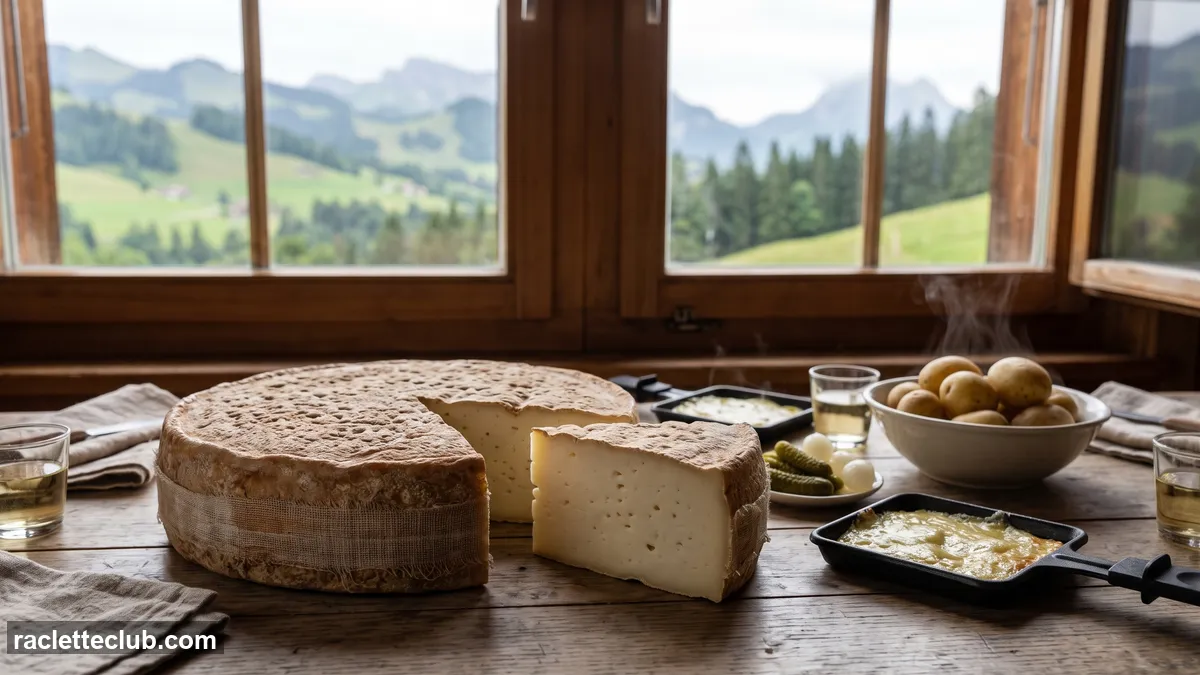
A practical guide: people usually allow 150 to 200 g of cheese per adult for a full meal. Adjust to your guests’ appetite.
How to prepare raclette
There are two main ways to melt the cheese.
The traditional method
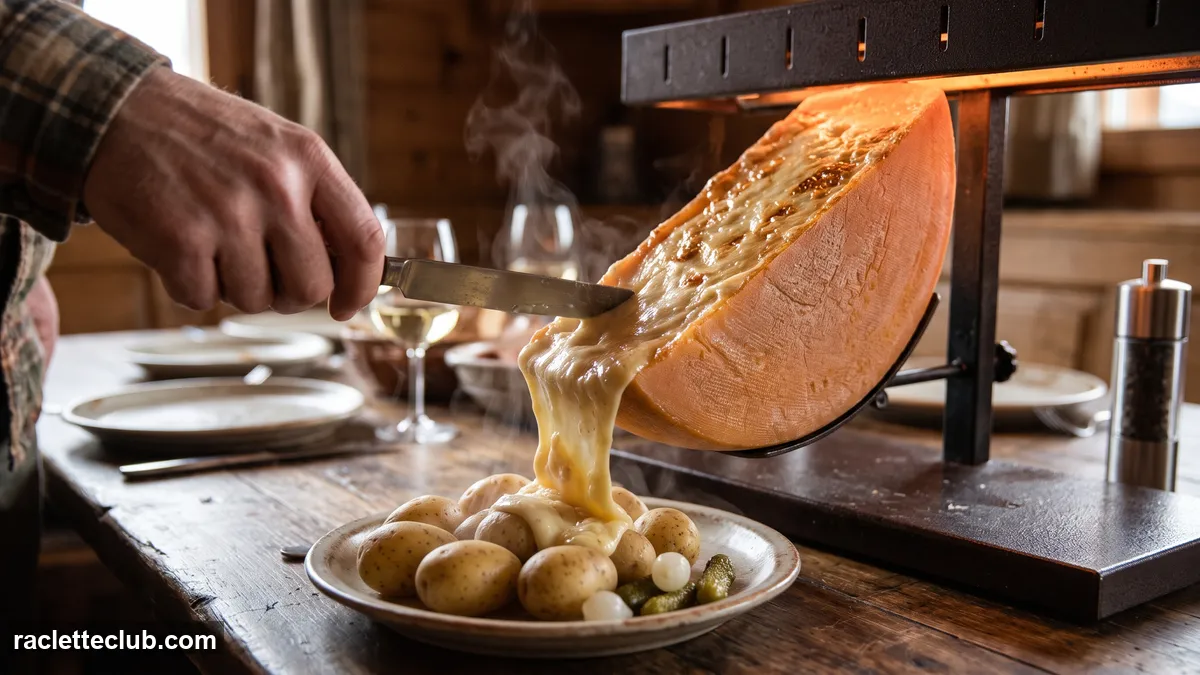
A wheel is cut in half and the cut face is exposed to a heat source: a wood fire in the past, an electric element today. When the surface melts and starts to brown, the wheel is tilted over the plate and scraped in one quick motion. It is served at once, then the next guest gets their turn.
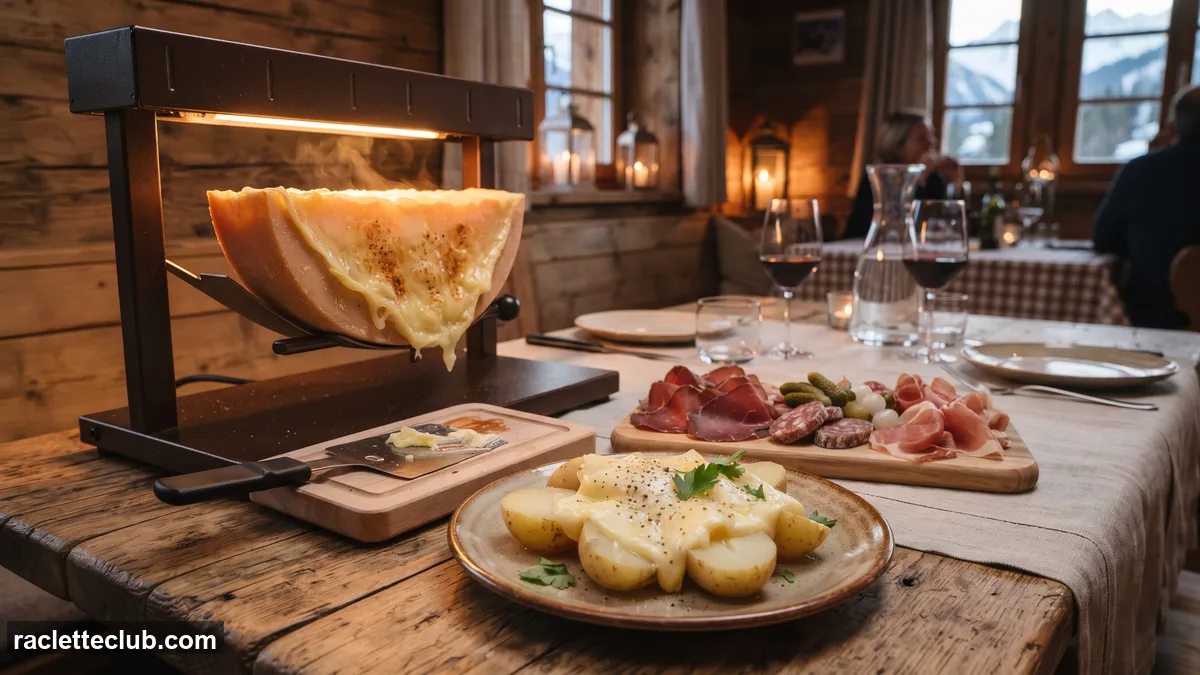
This method needs a special machine, known as a half-wheel or quarter-wheel raclette. It is the most faithful to the Valais tradition.
The small-pan method
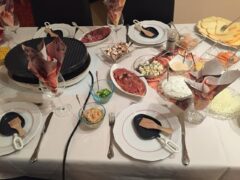
This is family raclette, the most common at home. The cheese is cut into slices, each person puts theirs in a small pan and slides it under the machine’s heating element. In a few minutes, the cheese melts and browns. Then you slide it onto your potatoes with a small spatula.
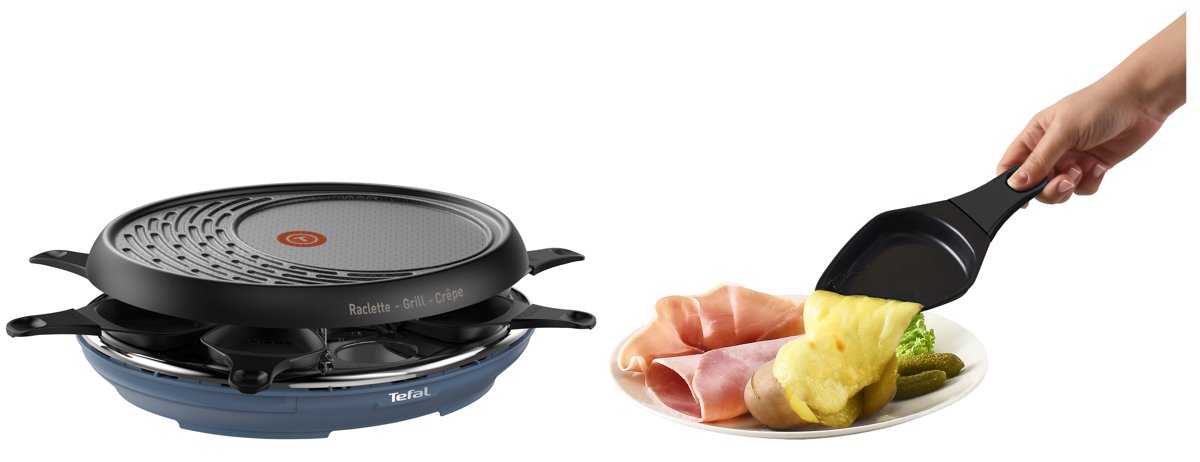
Many machines also have a top plate for grilling meat or vegetables, or for keeping the potatoes warm.
How to host a raclette night
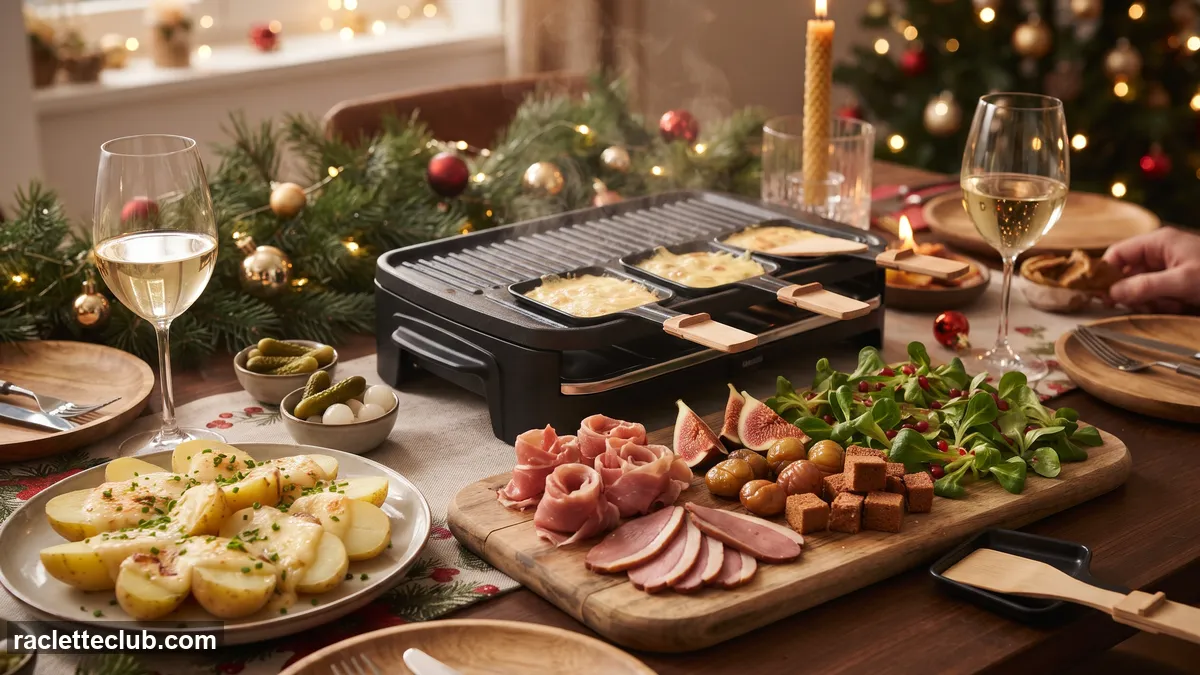
Raclette is made for sharing. Here are a few simple tips. To go further, our guide to planning your raclette night walks you through it step by step.
Video: © Raclette Suisse (official channel) (in German), watch on YouTube
1) Set the right table
Everyone must be able to reach the machine. For more than about eight people, plan two machines, one at each end of the table. Also make sure there is a socket within reach, without an extension cord across the walkway.
2) Choose the sides
The basics: potatoes steamed or boiled in their skins, kept warm. Add gherkins, small onions and a platter of cured meats: raw ham, cooked ham, dried meat, salami. To lighten things up, a green salad and a few raw or grilled vegetables are welcome.
3) Set the mood
Soft lighting and a little music are all you need. Raclette takes time, and that is exactly what makes it so convivial. Nobody is in a hurry.
4) Serve the drinks
A dry white mountain wine is the classic choice: a wine from Valais or Savoie. Hot tea is also a tradition. For children and non-drinkers, apple juice or herbal tea work very well.
5) Enjoy
The most important thing is to have a good time. Let everyone build their plates at their own pace.
How do you eat raclette?
The classic way is simple: a potato split in two on the plate, melted cheese on top, a bite of gherkin for freshness, a slice of cured meat on the side. Then repeat.
Raclette cheese also works in many other dishes. A few ideas:
- Raclette toastie: a slice of cheese between two slices of bread, browned in a pan.
- Raclette-style tartiflette: potatoes, bacon, onions and raclette cheese baked in the oven.
- Warm salad: warm potatoes, green salad and a few strips of melted cheese.
- Cheese sauce: a little melted cheese stirred into cream, for pasta or vegetables.
Find all our ideas on our recipes page.
Raclette equipment
You do not need complicated gear, but a few items make the evening more pleasant.
The small-pan raclette machine
This is the most common machine. It sits in the middle of the table and heats with an electric element. The small pans slide underneath. The top often doubles as a cooking plate.
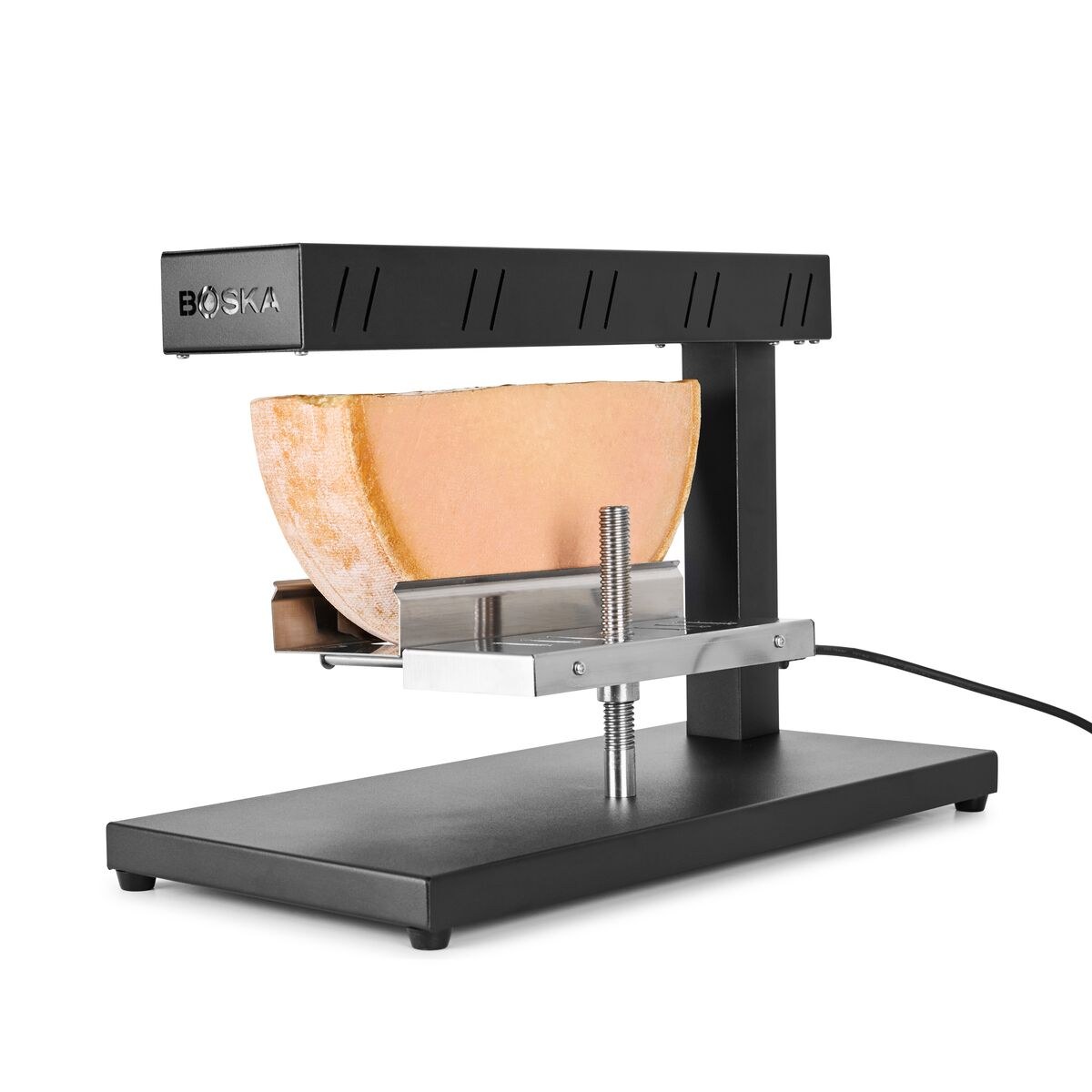
The half-wheel or quarter-wheel machine
It holds a large piece of cheese facing a heating element. You scrape the cheese off as it melts. This is the machine for traditional raclette.
The small pans
These are individual mini pans, often non-stick. Each guest has their own. Avoid metal utensils so you do not scratch the coating.
The spatulas
Made of wood or plastic, they slide the cheese from the pan onto the plate without damaging the coating.
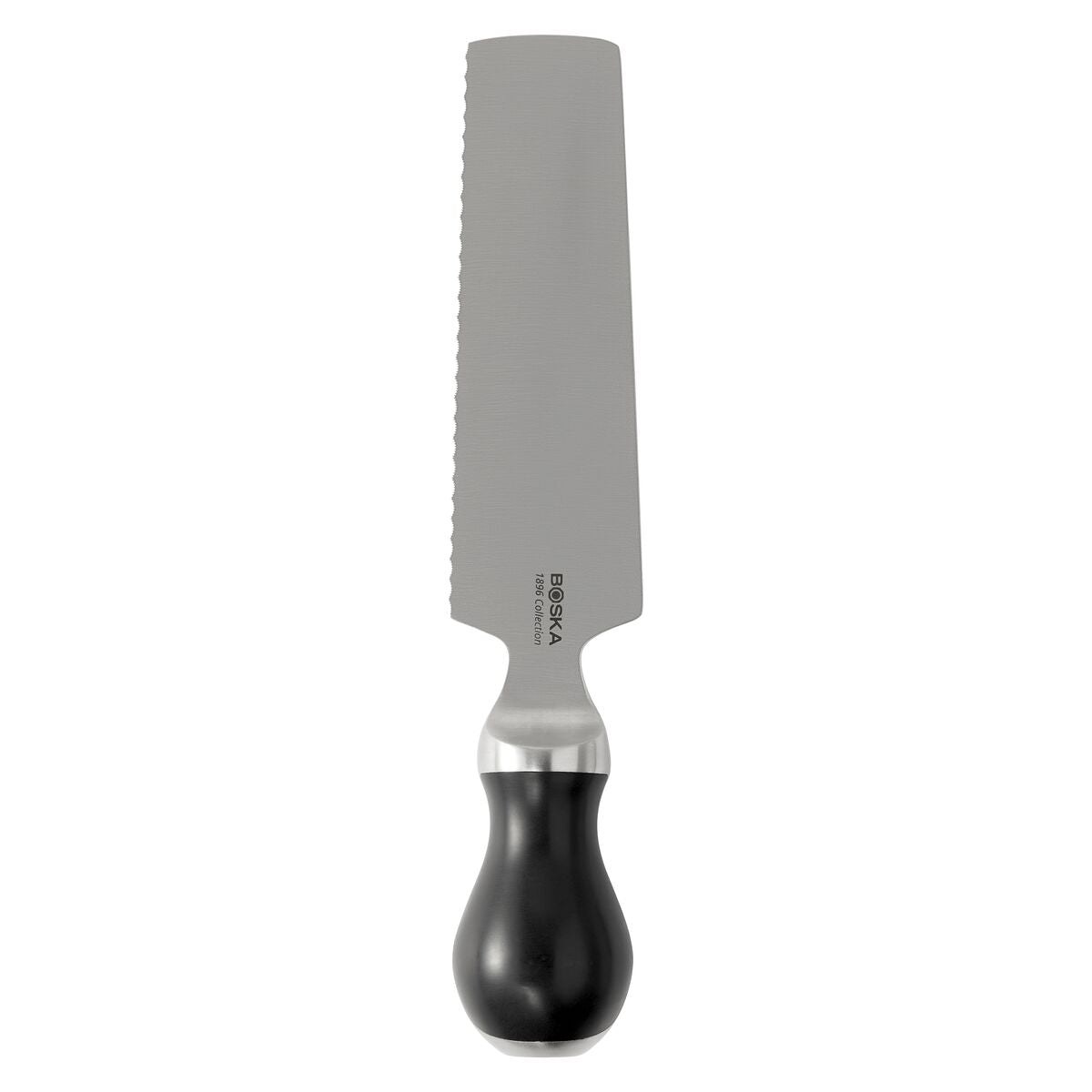
The knife or scraper
With a half-wheel machine, you use a wide-bladed knife or a scraper to lift off the melted cheese in one motion.
To compare models, visit our raclette machines page.
How to use a raclette machine
It is easy. Here are the steps for a small-pan machine.
1) Preheat the machine
Plug it in and let it heat for a few minutes before sitting down. The cheese will melt faster and more evenly.
2) Lay out the sides
Place the warm potatoes, cured meats, gherkins and vegetables in the middle of the table, within everyone’s reach.
3) Fill your pan
Put a slice of cheese in the pan. You can add a little pepper, a ring of onion or a piece of cured meat underneath.
4) Slide the pan under the heating element
Let it melt for a few minutes. The cheese is ready when it bubbles and starts to brown.
5) Serve
Take the pan out by its handle and slide the cheese onto your potatoes with a spatula. Put the empty pan back on its rest, never directly on the tablecloth: it is very hot.
How to choose a raclette machine
A few criteria are enough to make the right choice.
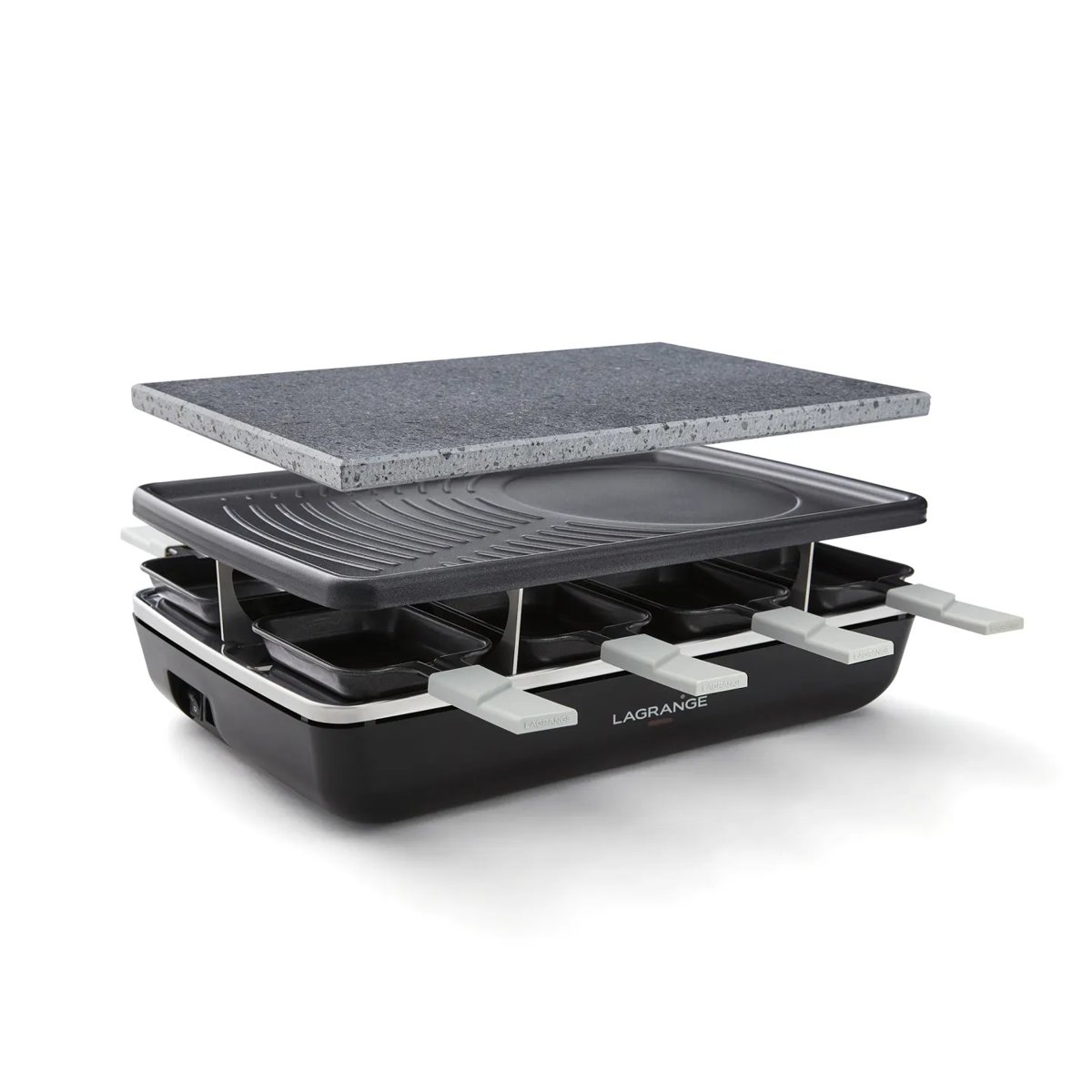
- Number of guests: machines come in 2, 4, 6, 8-person versions or more. Choose according to the size of your usual gatherings.
- Type of machine: small pans for family raclette, half-wheel for the traditional touch. Some models combine both.
- Top plate: grill, cooking stone or crêpe plate. Handy if you like cooking meat and vegetables at the table.
- Coating: a good non-stick surface makes cleaning easier.
- Build quality: a temperature control, a long enough cord and sturdy pans make the difference over time.
Fun facts about raclette
The word “raclette” means the cheese, the dish and sometimes the tool used for scraping. Three things for one word.
In Swiss German, people used to speak of “Bratchäs”, roasted cheese. The French name “raclette” eventually won out far beyond the French-speaking regions.
Raclette du Valais AOP is made from raw milk, and each dairy or alpine pasture gives it a slightly different character. Some enthusiasts like to compare several wheels during the same evening.
Raclette left the Alps long ago. Today it is enjoyed in many countries, each with its favourite sides.
All that is left is to get the machine out, slice the cheese and invite your friends. Enjoy your raclette!