In short: raclette in literature has a long history. Heidi’s grandfather toasts cheese over the fire as early as 1880, the writer Eugène Rambert describes “raclette time” in 1875, and today raclette gives its title to children’s books and even to a crime novel. We only kept texts we could verify: excerpts from the original editions, library catalogues and publishers’ pages.
After raclette in the movies and raclette in TV series, it’s the books’ turn. Settle in by the fire, quite literally.
The classics: back when people talked about “toasted cheese”
Heidi (1880): grandfather’s toasted cheese
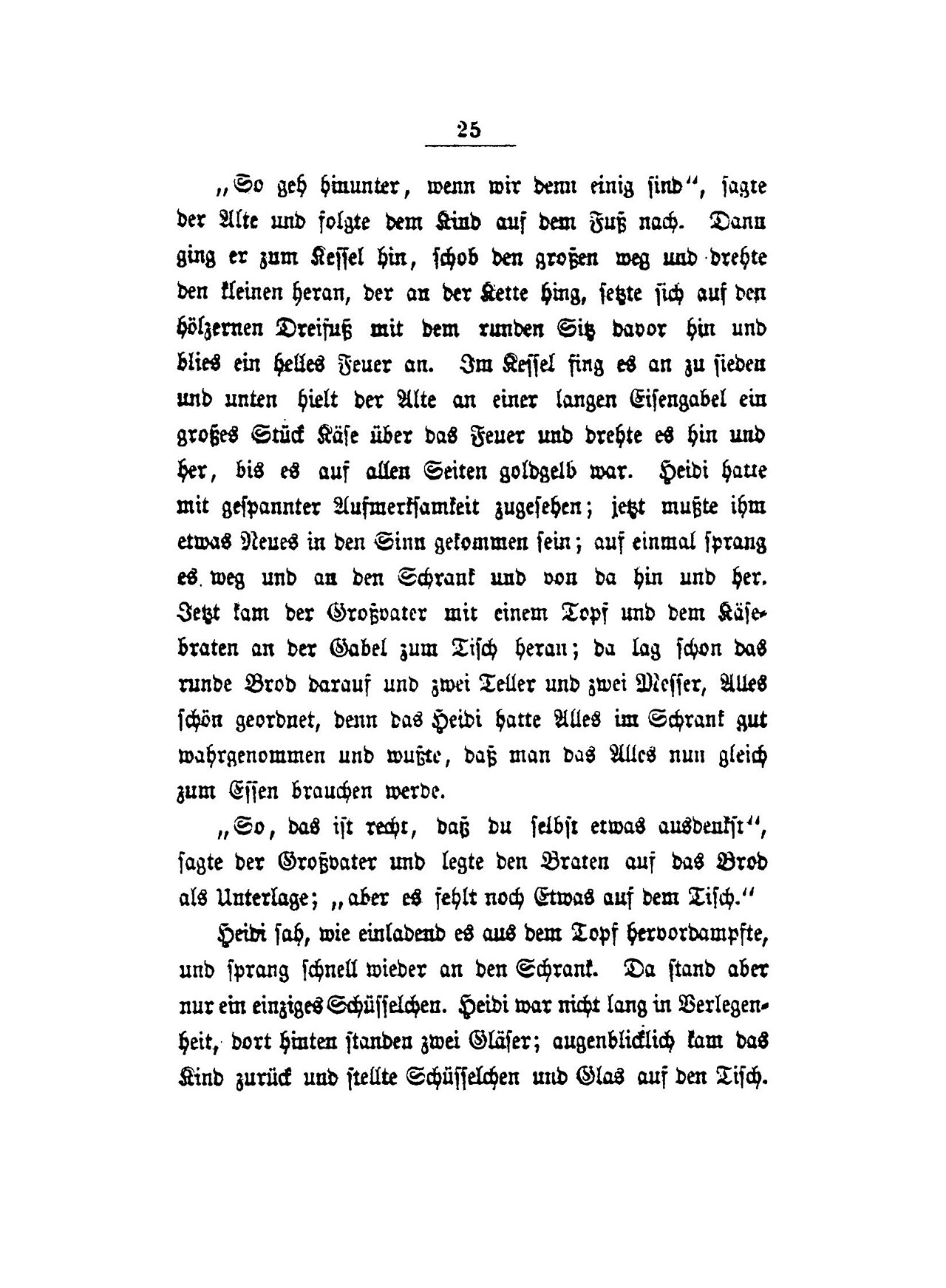
In Johanna Spyri’s novel, in the chapter “At Grandfather’s”, little Heidi discovers the mountain pasture meal. The original German text of 1880 describes the old man holding “a large piece of cheese” on the end of a long iron fork over the fire, turning it until it is golden on all sides. He then puts it on the bread. In the sequel, published in 1881 and translated into French as early as 1882 under the title “Encore Heidi” (“More Heidi”), Heidi pushes her plate towards Peter, “avec la grosse pomme-de-terre et le morceau de fromage rôti” (“with the big potato and the piece of toasted cheese”).
Spyri never writes the word “raclette”, and the story takes place in Graubünden, not in Valais: the cheese is toasted, then spread, not scraped. So let’s call it a cousin, or an ancestor, of our raclette. The Raclette Suisse association itself makes the link with Heidi, and in Japan this “Heidi cheese” became famous thanks to the cartoon, as we explained in our movie article.
The 2015 Heidi film even included the toasted cheese scene at the request of Raclette Suisse. Here is the official trailer:
Eugène Rambert (1875 and 1888): “in raclette time”
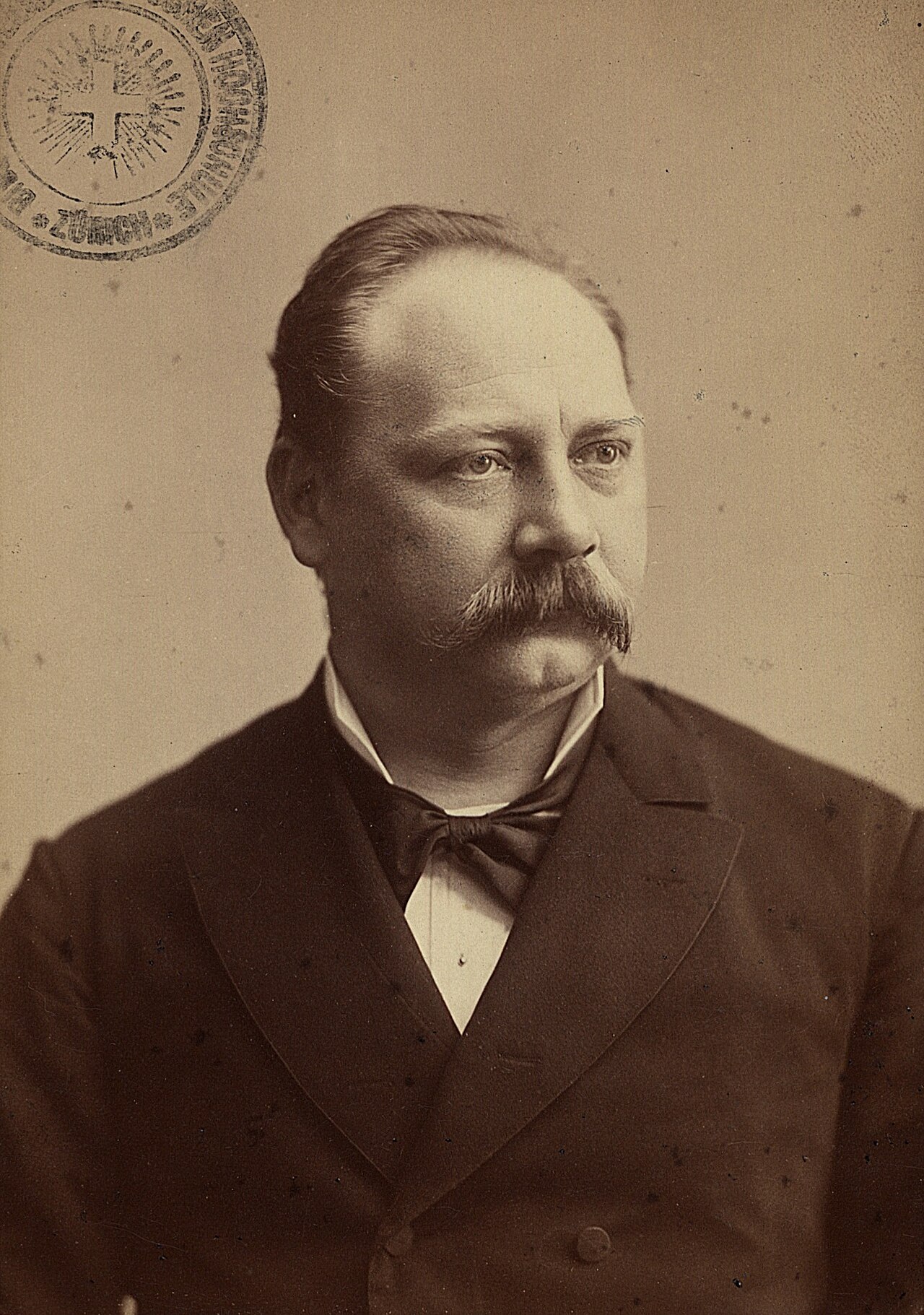
The Vaud writer Eugène Rambert, a great lover of the Alps, is one of the first to write the word. In 1875, in his travel notes: “C’était le temps de la raclette, saison propice aux gais rendez-vous” (“It was raclette time, a season for merry gatherings”). In 1888, in “Ascensions et flâneries”, he gives gourmets the recipe outright: go to Sion “au temps de la raclette” (“in raclette time”), expose the cheese to the embers, scrape it with a stroke of the knife blade onto a slice of dark bread, “et voilà la raclette. Chose toute simple et chose exquise !” (“and there you have raclette. A very simple thing and an exquisite thing!”)
These passages are quoted in the study “La raclette comme pratique sociale” (“Raclette as a social practice”) on the Valais cultural heritage portal (Vallesiana), which points out that back then the word “raclette” was still printed in italics in the press: it had only just come from the local dialect.
Victor Tissot (1888): a raclette before the désalpe
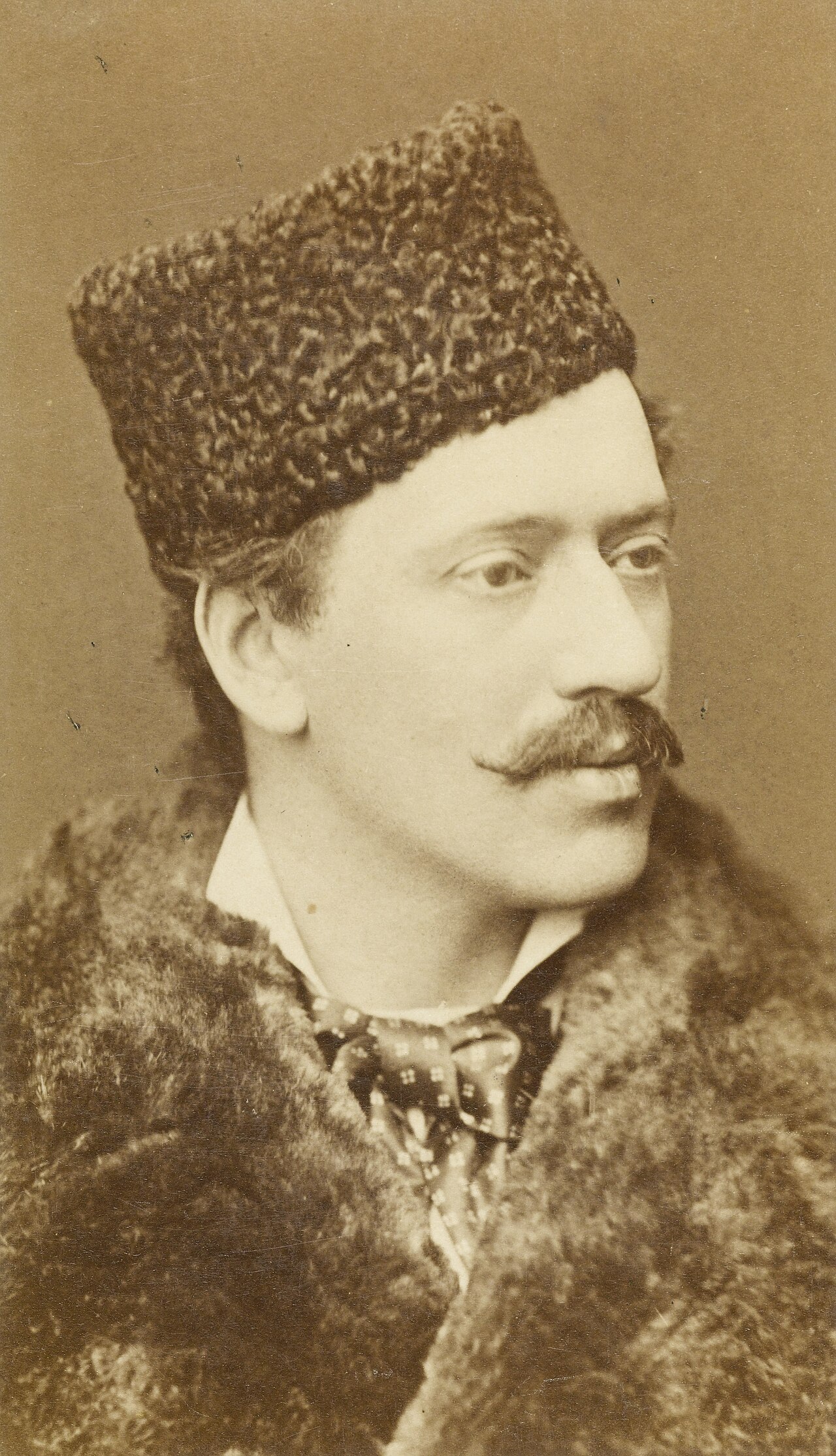
The same year, the Fribourg writer and journalist Victor Tissot published “La Suisse inconnue” in Paris. According to the same Valais study, he describes a raclette served on the eve of the désalpe (the cows’ descent from the summer pastures), at the Torrent alpine pasture in the Val d’Anniviers. The cheese, the cows and the party: it’s all already there.
A tale from Évolène (1903): grilled cheese for a fairy
In 1903, the Bulletin du Glossaire des patois de la Suisse romande published a tale collected in the Évolène dialect, “Les fées de Grand’Combe”. To win over a fairy, the shepherds offer her everything they have: milk, cream, butter, sérac, “jusqu’à du fromage grillé” (“even grilled cheese”). Proof that, in the Valais valleys, cheese passed over the fire was a gift for special occasions.
When raclette becomes a “national dish”
Valais historians trace the oldest description of a raclette back to 1574: a letter from the Sion physician and apothecary Gaspar Ambüel to the Zurich scholar Conrad Gessner, which mentions cheeses melted by the fire. But it was in 1909, at the Cantonal Exhibition in Sion, that raclette was crowned the “national dish of Valais”.
For the occasion, a song entitled “La Râclette” was composed. According to the Vallesiana study, it came with a text by Jules Monod that begins: “La râclette est le mets national valaisan.” (“Raclette is the national dish of Valais.”) He describes the good, rich Valais cheese, cut down the middle and brought close to a lively fire, then the young woman in Savièse or Évolène costume who scrapes the melted cheese onto the plate. From then on, the image of raclette served in traditional costume was fixed for good.
Raclette in comics and children’s books
Titeuf: “Raclette partie”
The hero with the famous quiff, created by Geneva comic book artist Zep, got his own raclette episode in the animated series based on his albums: “Raclette partie”, in 2001, in which Titeuf brags that he can wolf down thirty servings during his school ski trip. The episode was even released on DVD under that title in 2003. We tell the whole story in our article on raclette in TV series.
Mamie Momie and “La raclette fantôme” (Hatier, 2021)
In this first reader for 5- to 6-year-olds, written by Pascal Brissy and illustrated by Colonel Moutarde, a mummy organises a dinner with Vercingetorix and Julius Caesar in a magical museum. The problem, according to the publisher: her raclette grill has been stolen! Two children investigate among the works of art. A real drama, we’ll grant you that.
Les Chevaliers de la raclette (La Marmotte, since 2020)
French authors Nadia Coste and Jean-Laurent Del Socorro co-wrote a children’s series with an irresistible name, “Les Chevaliers de la raclette” (“The Knights of Raclette”), published from 2020 by La Marmotte, a publishing house in Chambéry. With a title like that and a publisher from Savoie, a cheese night is never far away.
Compét’ raclette et boules de neige (Gulf Stream, 2022)
Written by Julien Artigue and illustrated by Loïc Méhée, this first novel for readers aged 7 and up was published in 2022 by Gulf Stream. The title is enough to set the scene: snow, competition and raclette.
Crime novels: raclette on the case
Mörderisches Raclette: an Advent crime novel (2026)
In Germany, Emily Anders wrote “Mörderisches Raclette” (“Murderous Raclette”), an “Adventskrimi” in 24 parts to cut open, one per day until Christmas, published by Pattloch in 2026. According to the book’s description, the heroine, Bonnie, investigates a case that leads her to an unusual raclette dinner, where the cheese was probably not the only spicy ingredient.
Raclette chinoise: the nod
With the German publisher Gmeiner, Swiss writer Beat Gerber published a crime novel in 2020 called “Raclette chinoise”. Here, the raclette is mostly in the title: the plot revolves around a surveillance affair. But you have to admit it makes you hungry.
What about Asterix in Switzerland?
We get asked this a lot: no, there is no raclette in “Asterix in Switzerland”. The famous banquet scene is a fondue, complete with forfeits for anyone who drops their bread in the pot. The two dishes are cousins, but at Raclette Club we don’t mix up a raclette pan and a fondue pot.
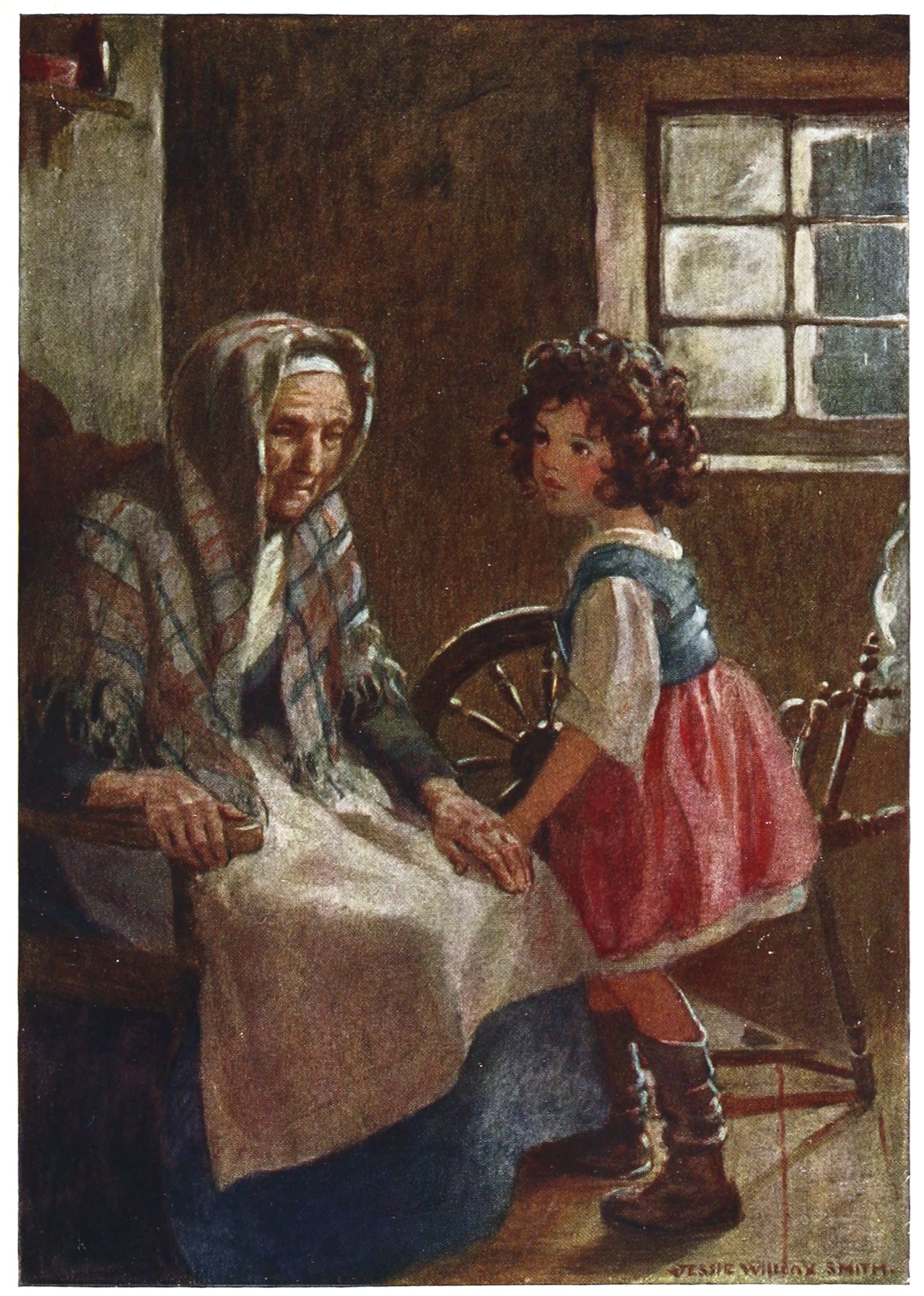
To finish in style, here is Heidi as the American illustrator Jessie Willcox Smith drew her in 1922, with Peter’s grandmother. More than a century later, we still want to share her toasted cheese.
Raclette in literature: your questions
Is there raclette in Heidi?
Not by that name. In Johanna Spyri’s novel (1880), the grandfather toasts a piece of cheese on the end of a fork over the fire, then puts it on bread. It’s a cousin of raclette, which the Raclette Suisse association itself links to our dish.
When does the word “raclette” appear in books?
According to Valais historians, the word appears in French-language texts in the 1870s. The writer Eugène Rambert uses it in 1875 and describes it in detail in 1888.
Is there raclette in Asterix?
No. In “Asterix in Switzerland”, the famous banquet is a fondue, not a raclette.
What about you: which book would you read while the cheese melts?
Tell us in the comments if you know another book where raclette has its place: we’ll check it and add it to the list. To go from reading to practice, our guide to choosing your raclette machine and our guide to cheese quantities per person are waiting for you, and our raclette recipes will give you some ideas.
Sources: Johanna Spyri, Heidis Lehr- und Wanderjahre (1880), Projekt Gutenberg, Johanna Spyri, Heidi kann brauchen, was es gelernt hat (1881), Projekt Gutenberg, Encore Heidi (trad. 1882), chap. IV, Wikisource, Raclette Suisse, histoire de la raclette, Vallesiana, La raclette comme pratique sociale (2017), Les fées de Grand’Combe (1903), Wikisource, TheTVDB, Titeuf, Raclette partie, BnF, Titeuf. Raclette partie (DVD), Hatier, La raclette fantôme (2021), BnF, Les chevaliers de la raclette, BnF, Compét’ raclette et boules de neige, LovelyBooks, Mörderisches Raclette (Pattloch, 2026), Gmeiner, Raclette chinoise (2020), Wikipédia, Astérix chez les Helvètes