Table of Contents
How Melted Cheese Crossed Every Border
Raclette around the world is no longer just a Swiss alpine tradition reserved for cold mountain evenings. Over the past two decades, the simple act of melting a wedge of cheese and scraping it onto a waiting plate has spread from Valais shepherds’ fires to Tokyo cheese bars, German Silvester tables, and Dutch gourmetten parties. I’ve tasted raclette prepared by locals in six different countries, and each culture reshapes the dish in ways that feel both familiar and surprising. This guide maps every major raclette tradition, explains what makes each one unique, and helps you recreate the best of them at home.
Switzerland: Where Shepherds Invented a Ritual
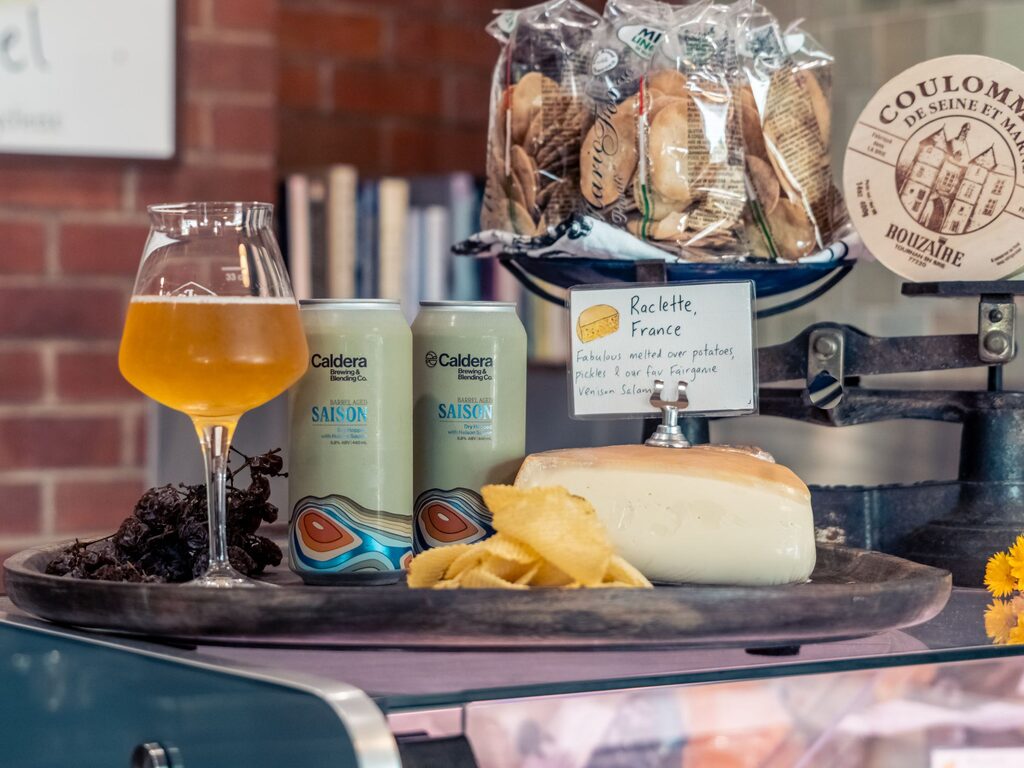
Raclette’s story starts in the canton of Valais, high in the Swiss Alps, where cattle herders needed a meal that was portable, filling, and easy to prepare with limited tools. As far back as the 13th century, shepherds would place a half-wheel of local cow’s milk cheese near an open fire, wait for the surface to bubble, then scrape the molten layer onto bread or a boiled potato. The French verb racler, meaning “to scrape,” gave the dish its name. The ritual has barely changed since.
What has changed is the cheese itself. Authentic Valais raclette carries an AOP (Appellation d’Origine Protegee) label, which guarantees the milk comes from cows grazing on alpine pastures and the wheels are aged under specific conditions. You get a washed rind, a creamy interior, and an earthy aroma that intensifies when heated. For a closer look at the differences between varieties, our guide to the Best Raclette Cheese: 9 Types Ranked breaks down everything from Bagnes to Gomser.
Every September, the Desalpe festival marks the return of cattle from high-altitude meadows to valley villages. Streets fill with flower-crowned cows, accordion music, and raclette stands where entire half-wheels are melted over wood fires. The cheese gets scraped directly onto plates alongside small boiled potatoes, cornichons, pickled onions, and slices of air-dried beef known as Bundnerfleisch. No salad, no bread basket, no elaborate garnish. The Swiss keep it deliberately minimal because the cheese is the whole point.
For home use, the TTM Raclette Ambiance melter is one of the few machines that replicates the traditional half-wheel experience. It holds a half-wheel tilted toward a heating element, so you scrape cheese just as a Valais shepherd would. Build quality is solid. The unit is bulky, though, and takes up a lot of counter space, so it’s better suited to dedicated raclette fans than casual users.
France: When Coupelles Changed Everything
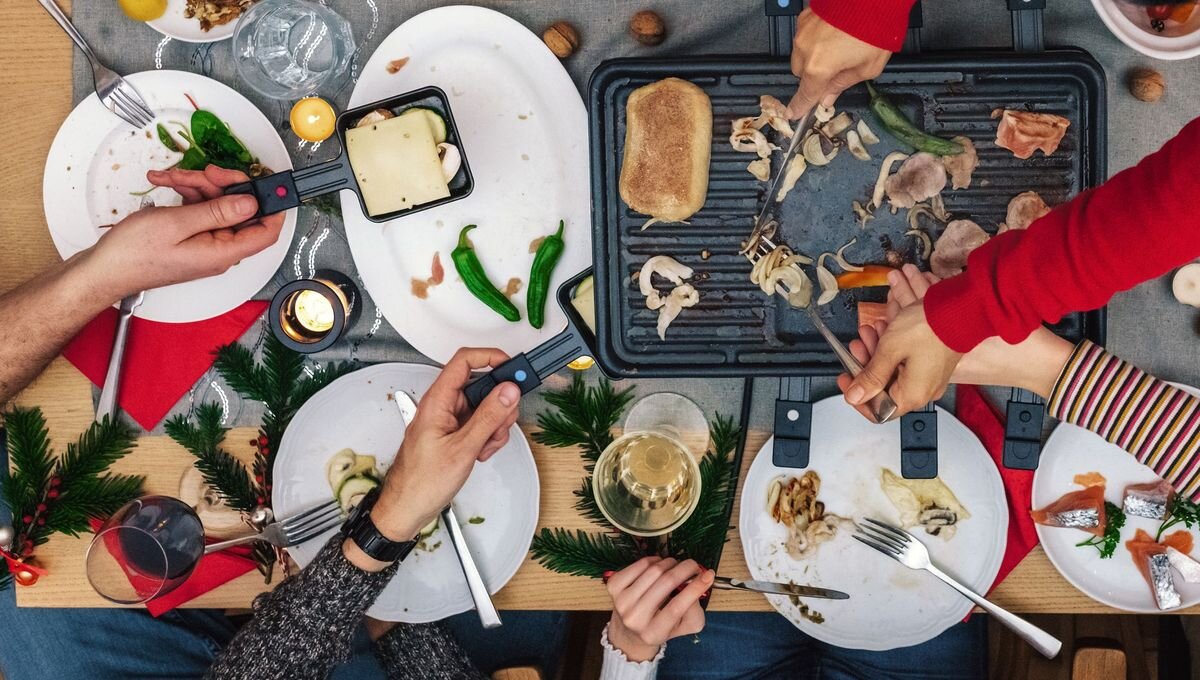
Swiss purists still swear by fire and half-wheels, but France turned raclette into a tabletop social event by popularizing the electric grill in the 1970s. The defining feature is the coupelle, a small non-stick pan that slides under a top-mounted heating element. Each guest fills their own pan with a slice of cheese, melts it at their own pace, and tips it onto their plate. Meanwhile, the upper grill surface doubles as a cooking station for meats, vegetables, or even eggs.
The French version also broadened the accompaniment spread well beyond potatoes and pickles. A typical French raclette table features jambon cru (dry-cured ham), rosette de Lyon (a pork sausage), coppa, cornichons, baby potatoes, and often a green salad dressed in a sharp vinaigrette. Charcuterie isn’t a side dish here; it shares equal billing with the cheese. You’ll find detailed pairing ideas in our collection of 15 Easy Raclette Recipes that work for both beginners and seasoned hosts.
French raclette cheese itself differs from its Swiss counterpart. Produced mainly in Savoie and Franche-Comte, it tends to be milder, a bit more elastic when melted, and less pungent. Some French producers add black pepper, herbs, or smoke to their wheels, creating flavored options that would be unthinkable in Valais. Neither approach is better. It’s simply a question of whether you want the cheese to dominate or to share the stage.
The Swissmar Stelvio is a popular electric grill that seats eight guests comfortably. Its reversible granite stone top lets you sear meats while cheese melts below in individual pans. One honest caveat: the non-stick coating on the coupelles wears down after heavy use, so hand-washing instead of the dishwasher extends their life considerably.
Every country that embraced raclette added its own soul to the dish — proof that melted cheese needs no passport and no translation.
Why Is Raclette the Star of German New Year’s Eve?
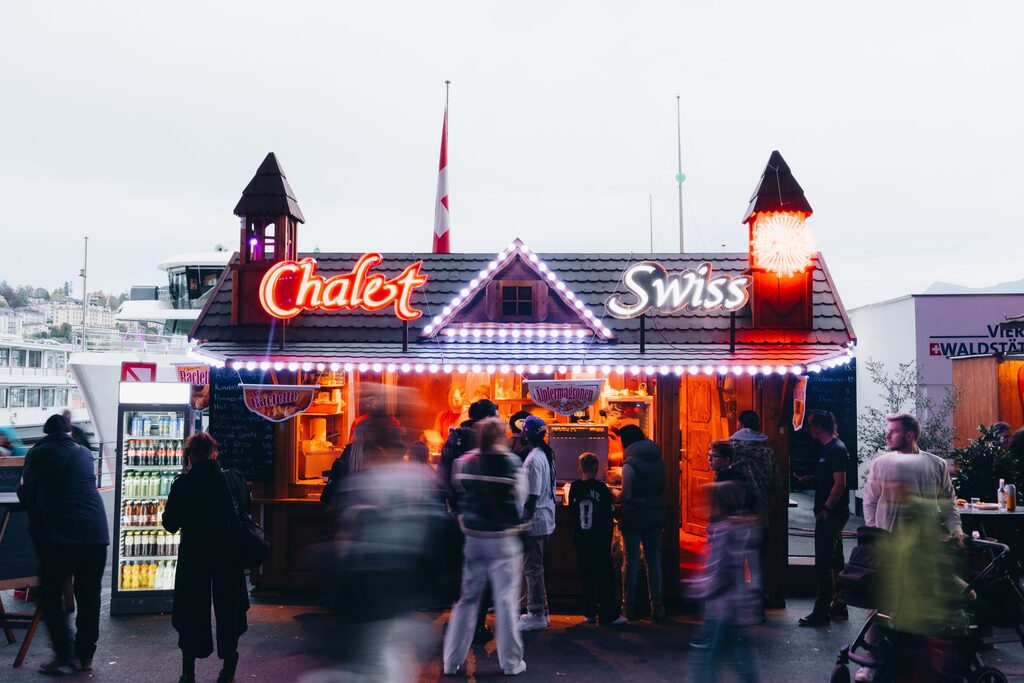
In Germany, raclette and Silvester (New Year’s Eve) are almost synonymous. Walk into any German household on December 31st and you’ll likely find a tabletop grill surrounded by small bowls of prepared ingredients, a stack of plates, and a bottle of Riesling within arm’s reach. The tradition took hold in the 1980s. It grew so popular that German supermarkets now dedicate entire seasonal aisles to raclette cheese, pre-sliced cold cuts, and accessory kits every December.
Variety and individual creativity drive the German spread. Alongside the standard Kartoffeln (boiled potatoes) and Essiggurken (pickled gherkins), you’ll find Aufschnitt (assorted cold cuts including Schinken, Salami, and smoked turkey), cherry tomatoes, sliced mushrooms, bell peppers, pineapple chunks, and sometimes leftover Braten from Christmas dinner. Every guest builds their own combination in the small pan, making each round different from the last. Kids love inventing wild fillings, which is part of why the tradition is so family-friendly.
German raclette cheese is often a mild, factory-produced variety sold in pre-sliced packets. It melts quickly, stretches well, and carries less funk than Swiss AOP wheels. Some families mix in slices of Gouda, Emmental, or even blue cheese for contrast. There’s no strict rule about what goes into the coupelle, and that freewheeling spirit is exactly what makes Silvester raclette such a relaxed affair. The meal typically kicks off around eight in the evening and stretches past midnight, pausing only for the fireworks countdown.
What Makes Dutch Gourmetten Different from Raclette?
Cross the border into the Netherlands and the tabletop grill tradition takes a different name: gourmetten. The word comes from “gourmet” and describes a communal cooking event that uses a flat or ribbed electric grill with small individual pans, much like a raclette set. The key difference is emphasis. Where raclette centers on melted cheese, gourmetten is primarily about grilling small pieces of meat, shrimp, vegetables, and satay skewers on the hot plate. Cheese may show up in the small pans below, but it isn’t the star.
Gourmetten is a staple of Dutch Christmas and New Year’s celebrations, and many families own a dedicated grill that only comes out during the holidays. The accompaniments lean heavily on Indonesian-Dutch flavors: peanut satay sauce, sambal, kroepoek (prawn crackers), and atjar (pickled vegetables). Colonial history clearly shaped this tradition. If you’re a raclette lover visiting the Netherlands, the experience feels like a cousin of what you know, with the shared table format intact but the molten cheese playing a supporting rather than a leading role.
From Tokyo Cheese Bars to the World Championships
Japan’s love affair with raclette exploded in the mid-2010s when cheese-focused cafes began appearing in neighborhoods like Shibuya and Shimokitazawa. At a Tokyo raclette bar, a chef melts a half-wheel under a commercial broiler, then scrapes a thick golden cascade over dishes ranging from steamed rice bowls and ramen to grilled wagyu sliders. The visual drama of the scrape, captured in countless Instagram reels, turned raclette into one of Japan’s most photogenic food trends. What really works is the contrast between the salty, nutty cheese and the subtle sweetness of short-grain rice, a pairing no Swiss shepherd ever imagined.
Spain came to raclette more recently, with pop-ups appearing at food markets in Barcelona and Madrid. Spanish hosts often swap traditional potatoes for patatas bravas, add slices of jamon iberico to the spread, and pair the meal with a crisp Albarino rather than a Fendant. Thanks to the Mediterranean climate, outdoor raclette dinners are possible for much of the year, something alpine countries can only dream of.
The competitive side of raclette has its own stage. The World Raclette Championships, held in Morgins, Switzerland, brought together teams from twelve countries in 2025, each judged on technique, presentation, and flavor. Contestants scraped cheese before a live audience while a jury of fromagers scored every plate. Martigny, Switzerland, has announced plans to attempt the world’s largest raclette gathering in 2026, aiming to set a Guinness record by serving thousands of portions from dozens of half-wheels simultaneously. When a shepherd’s campfire meal can fill an arena, it’s safe to say the dish has outgrown its alpine origins.
How to Bring the World to Your Raclette Table
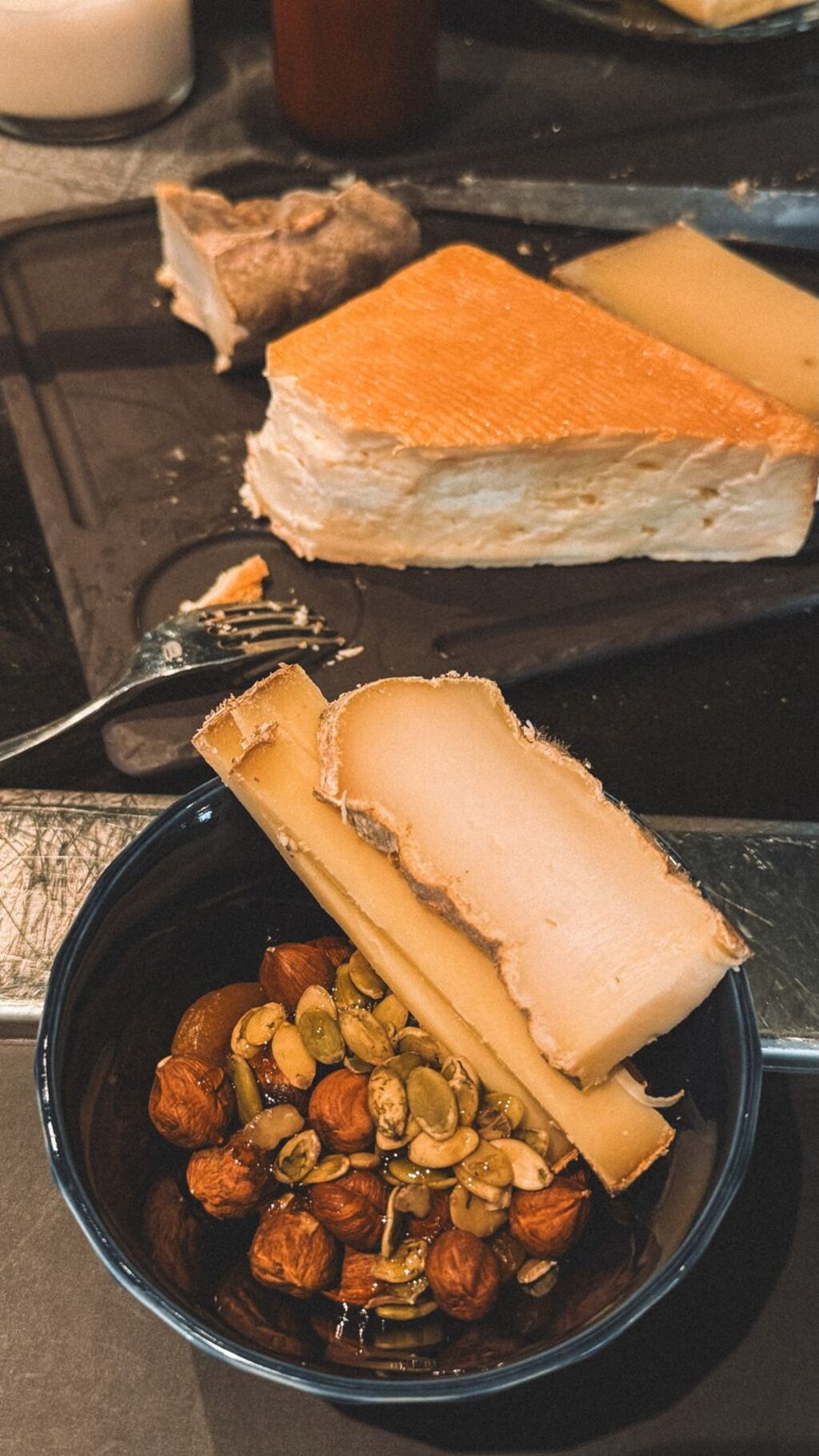
Want to recreate a raclette around the world experience at home? Start with the cheese. Look for wheels or slices with an AOP or regional origin label, since provenance directly affects flavor and meltability. Then decide on your heating method: a traditional half-wheel melter for an authentic Swiss feel, or an electric grill with individual pans for the French and German social format. Guest count matters too. Most electric grills seat six to eight people comfortably, but for larger parties, consider two units or a half-wheel setup that serves a crowd faster.
The ChefSofi cheese board makes a practical serving station for arranging cold cuts, pickles, and bread before guests arrive. It’s affordable and well-sized, though the wood requires hand-washing and occasional oiling to prevent cracking. For the cheese itself, the igourmet Swiss Raclette selection offers a convenient imported option if your local shop doesn’t stock alpine varieties. Be aware that shipping cheese in warm months can affect texture, so ordering during cooler seasons is wise.
Which country invented raclette?
Raclette originated in the canton of Valais, Switzerland, where shepherds melted cheese by an open fire as early as the 13th century. The name comes from the French verb racler, meaning “to scrape.”
What is the difference between French and Swiss raclette?
Swiss raclette traditionally uses a half-wheel melted by fire or a dedicated melter, served with potatoes, pickles, and dried meat. French raclette relies on individual electric pans (coupelles) and a wider spread of charcuterie and accompaniments.