Two Swiss Traditions, One Burning Question
If you have ever stood in a cheese shop staring at a wheel of raclette in one hand and a block of Gruyere in the other, wondering which one deserves a spot at your next dinner party, you are not alone. The raclette vs fondue debate has divided cheese lovers for centuries, and after hosting more than fifty melted-cheese evenings over the past decade, I still find myself torn. Both dishes hail from the Swiss Alps, both revolve around gloriously molten cheese, and both turn an ordinary weeknight into a celebration. Yet they deliver completely different experiences at the table. This guide breaks down every angle — history, cheese, equipment, social dynamics, side dishes, and cleanup — so you can pick the right melted cheese tradition for your next gathering.
A Tale of Two Cheese Dishes: Origins and History
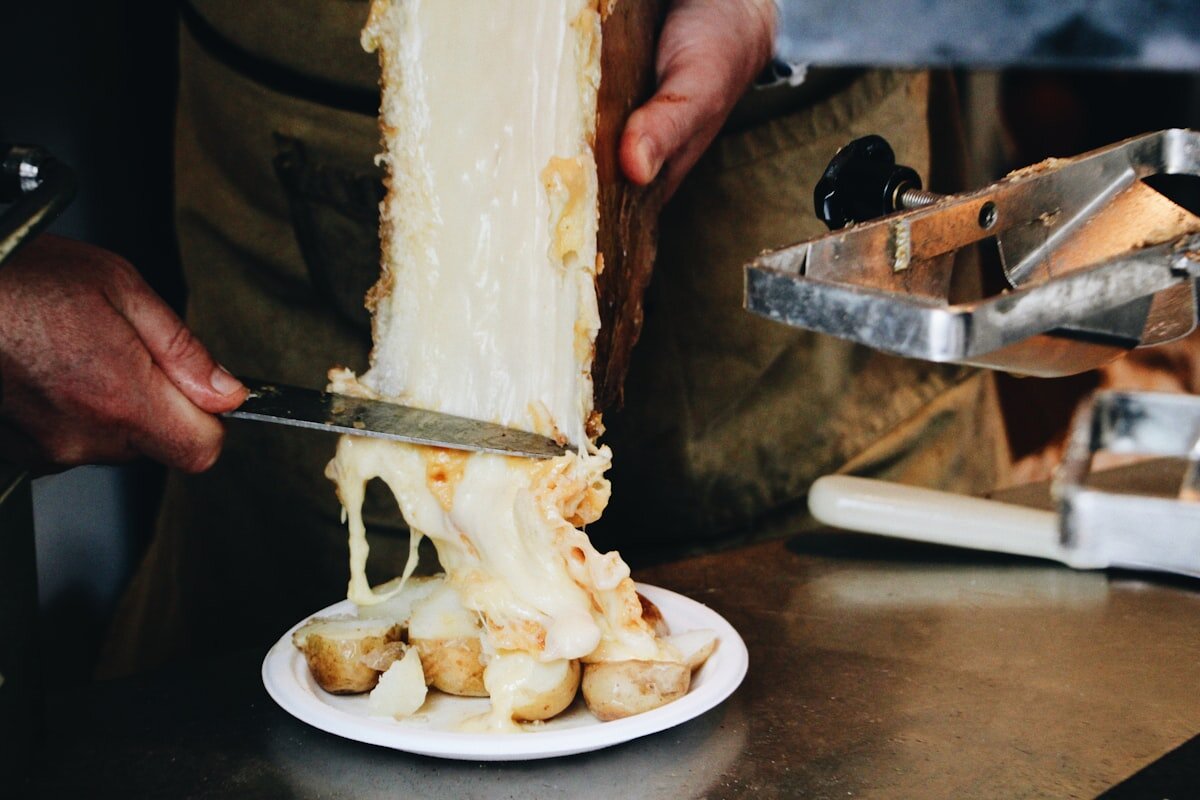
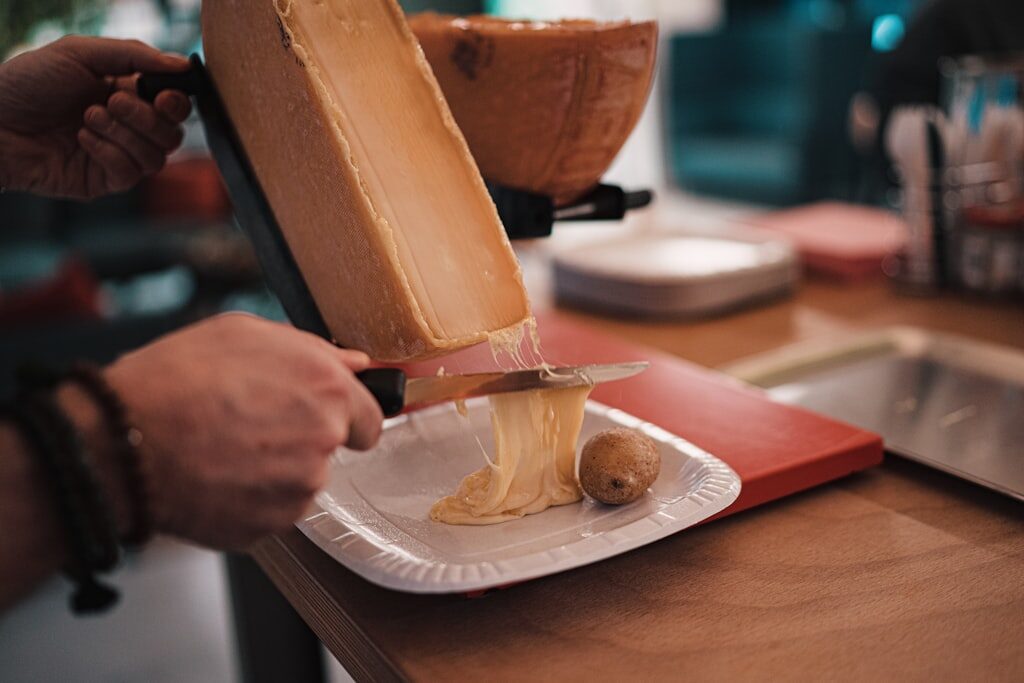
Raclette traces its roots back to at least the thirteenth century in the canton of Valais, where cowherds tending livestock in Alpine pastures needed a hot, filling meal they could prepare with minimal equipment. The story goes that shepherds would place a half-wheel of cheese near an open fire, wait for the surface to blister and bubble, then scrape the molten layer directly onto a piece of bread or a boiled potato. The word “raclette” itself comes from the French verb racler, meaning “to scrape,” and that simple, satisfying gesture remains the soul of the dish today. Written references to the practice appear in German-speaking Swiss texts from the 1290s, making it one of the oldest recorded cheese-centric meals in Europe.
Fondue took a different path to fame. The first known recipe appeared in a 1699 Zurich manuscript under the name “Kaes mit Wein zu kochen” — cheese cooked with wine. However, the version most people recognize today, a blend of melted cheese, white wine, and a splash of kirsch served in a communal pot, became closely associated with the French-speaking canton of Neuchatel. For centuries fondue remained a regional peasant dish, a clever way to use up hardened cheese and stale bread during harsh Alpine winters.
Everything changed in the 1930s when the Swiss Cheese Union, a powerful dairy cartel, adopted fondue as the unofficial national dish and launched aggressive marketing campaigns to boost domestic cheese consumption. The effort worked spectacularly: fondue became a symbol of Swiss identity, appeared at the 1964 New York World’s Fair, and rode the wave of 1970s American party culture into suburban living rooms across the United States. Raclette, by contrast, stayed closer to its mountain origins until electric tabletop grills made it accessible to home cooks in the 1980s and 1990s. Today both dishes enjoy global popularity, but their distinct histories shape the way they feel on the table — fondue carries a polished, diplomatic air, while raclette retains the rustic charm of an Alpine campfire. Understanding these roots is the first step to settling the raclette vs fondue debate for yourself.
One bubbles in a shared pot, the other melts under individual flames — but whether you choose fondue or raclette, the real winner is always the table that brings everyone together.
Which Cheese Goes Where?
Raclette demands raclette cheese — full stop. This semi-hard cow’s milk cheese from the Valais region has a nutty, slightly sweet flavor when cold and transforms into something impossibly creamy and aromatic once heated. Genuine Swiss Raclette du Valais AOP is made from raw milk and aged for at least three months, developing a washed rind with a pungent but not overpowering smell. French raclette from Savoie offers a milder, slightly buttery alternative that many Americans find more approachable. If you are still exploring which varieties work best for your grill, our guide to the best raclette cheese types covers everything from classic Swiss wheels to smoked and pepper-crusted options.
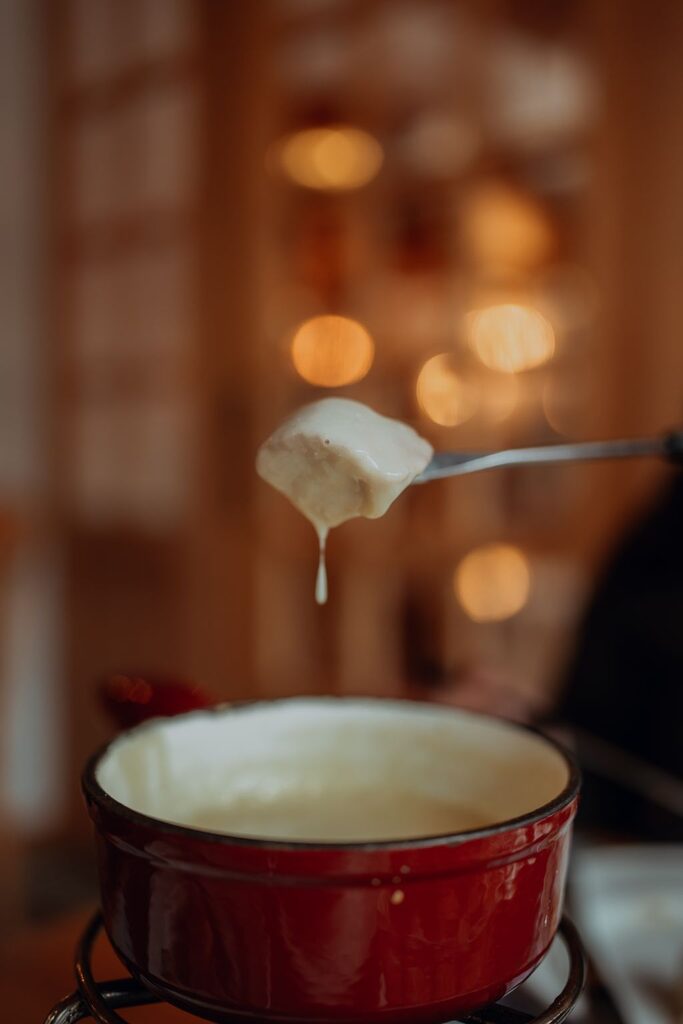
Fondue is a blending art. The classic Moitie-Moitie (“half and half”) recipe calls for equal parts Gruyere AOP and Vacherin Fribourgeois AOP, melted together with dry white wine and a clove of garlic. The Neuchatel style swaps in Emmental for the Vacherin, creating a slightly firmer, stretchier pot. Adventurous cooks add Appenzeller for a tangy kick or toss in a handful of Comte from just across the French border. The cheese must melt smoothly without clumping, which is why fondue recipes always include a starch — traditionally cornstarch or potato starch — whisked in with a splash of kirsch to emulsify the mixture.
The key difference: raclette cheese stands alone and requires no mixing, seasoning, or alcohol to perform. Fondue cheese is a recipe, a calculated blend where proportions, wine acidity, and starch ratios all matter. That makes raclette more forgiving for beginners and fondue more rewarding for those who enjoy fine-tuning flavors. For cheese selection, the raclette vs fondue decision often boils down to simplicity versus craft. One honest drawback of raclette cheese: quality varies wildly outside Switzerland, and poorly sourced raclette can taste bland and rubbery rather than rich and aromatic.
The Equipment Battle: Grill vs Caquelon
A raclette setup centers on an electric tabletop grill with a hot stone or non-stick surface on top and a set of small individual pans — called coupelles — that slide underneath the heating element. Each guest loads their pan with sliced cheese, slides it under the heat, and waits a few minutes for the cheese to melt and bubble before scraping it onto their plate. Entry-level models for four people start around forty dollars, while a premium eight-person unit like the Swissmar Classic Raclette Party Grill runs about one hundred forty-five dollars. For a detailed breakdown of what to look for, check our tested raclette grill reviews.
Fondue equipment is simpler but no less iconic. The caquelon — a wide, shallow pot traditionally made from ceramic, enameled cast iron, or heavy stoneware — sits on a small stand above a burner fueled by gel, alcohol, or a tea candle. You heat the cheese mixture on the stove first, then transfer the caquelon to the table where the burner keeps it at a gentle simmer. Prices range from thirty dollars for a basic ceramic set to well over two hundred for a handmade Swiss-made pot. The Cuisinart Electric Fondue Pot, priced around fifty dollars, is a popular middle ground that eliminates the open-flame concern entirely. Our fondue pot buying guide covers the full range of options.
Storage is worth considering. A raclette grill with eight pans and spatulas takes up meaningful cabinet space. A fondue set — one pot, one stand, one burner, a handful of forks — is far more compact. On the other hand, a raclette grill doubles as a Korean BBQ surface, a pancake griddle, or a tabletop plancha, giving it year-round versatility that a fondue pot simply cannot match. In the raclette vs fondue equipment showdown, your answer depends on whether you value compactness or multi-use functionality.
At the Table: Individual Plates vs Shared Pot
This is where the raclette vs fondue comparison gets personal. Raclette is an individualist’s dream. Each person controls their own little pan, choosing exactly how much cheese to melt, what toppings to add (a slice of prosciutto? a cornichon? a few capers?), and how long to let it bubble. Shy guests, picky eaters, and kids with strong opinions all thrive at a raclette table because nobody has to share a single pot or follow anyone else’s rhythm. The flip side is that the experience can feel a bit solitary — heads down, tending personal trays — unless someone takes on the role of cheerful host keeping conversation alive.
Fondue is the opposite. One pot in the center of the table forces everyone into the same orbit. You dip, you chat, you wait your turn. There is an unwritten Swiss rule that anyone who drops their bread in the pot must buy the next round of drinks or perform a dare — a tradition that guarantees laughter and mild embarrassment at every fondue dinner. The communal nature makes fondue a natural icebreaker for first dates, new friend groups, or holiday gatherings where you want people talking. The drawback? If someone double-dips, burns the cheese, or stirs too aggressively and breaks the emulsion, everyone suffers together.
What to Serve Alongside Each Dish
Raclette side dishes are all about variety and contrast. The Swiss classic trio — boiled waxy potatoes, cornichons, and pickled pearl onions — gives you starch, acid, and crunch to cut through the rich, melted cheese. From there, the table expands: thinly sliced charcuterie (prosciutto, bresaola, coppa), roasted vegetables, cherry tomatoes, steamed broccoli, mushrooms sauteed in butter, and even pineapple for those who enjoy a sweet-savory contrast. For a full spread of ideas, our list of the best raclette side dishes covers twenty-three tested combinations from traditional to unexpected.
Fondue sides are simpler by design because the pot is the star. Crusty bread — ideally a day-old pain de campagne or a sturdy sourdough — is the primary dipper, cut into one-inch cubes with a bit of crust on each piece so the fork has something to grip. Beyond bread, steamed baby potatoes, blanched broccoli and cauliflower florets, apple slices, and cured meats all work well. Some modern fondue hosts set out roasted garlic cloves, marinated artichoke hearts, or even cubed salami for dipping.
Wine pairing follows the same principle for both: dry, high-acid white wines. A Fendant (Chasselas) from Valais is the traditional Swiss choice for either dish, and it works beautifully. Sauvignon Blanc, Pinot Gris, and dry Riesling are all excellent alternatives. The Swiss say you should never drink cold water with fondue because it causes the cheese to solidify in your stomach — a myth, but one that gives you a perfect excuse to pour another glass. For a deeper look at pairings, see our wine guide for raclette dinners.
Which Is Easier to Prepare and Clean?
Fondue wins on setup speed. You grate or chop your cheese, rub the pot with garlic, heat wine on the stove, stir in the cheese and starch, and transfer to the table. Total active prep time: fifteen to twenty minutes. The risk is that fondue demands attention during cooking — if the heat is too high the cheese separates into a greasy, clumpy mess, and rescuing a seized fondue with lemon juice or extra wine is a skill that takes practice. Cleanup is straightforward when you soak the pot immediately; if you let the cheese harden overnight, you are in for a long scrubbing session.
Raclette requires more upfront prep but is almost impossible to ruin at the table. You need to slice the cheese, boil potatoes, chop vegetables, arrange charcuterie, and set out condiments — plan on thirty to forty-five minutes of kitchen work. Once everything is on the table, though, the cooking is foolproof: cheese goes in pan, pan goes under heat, cheese melts, done. The real pain comes at cleanup. A full eight-person raclette dinner generates eight cheese-crusted pans, eight spatulas, a grill plate, and a grease tray, all of which need soaking and scrubbing. It is the price you pay for a hands-off cooking experience.
Both dishes are party foods at heart, which means cleanup always happens when you would rather be sitting on the couch with a digestif. If minimizing post-dinner labor matters to you, fondue has the edge in the raclette vs fondue cleanup contest — one pot versus a battlefield of small pans.
Raclette vs Fondue: The Final Verdict
After years of hosting both, here is my honest take on the raclette vs fondue question: there is no universal winner, only the right dish for the right moment. The table below breaks it down category by category.
| Category | Raclette | Fondue |
|---|---|---|
| Origins | Valais, 13th century | Neuchatel, 1699 |
| Cheese | Raclette cheese only | Gruyere + Emmental blend |
| Equipment cost | $40 – $150 | $30 – $200 |
| Prep time | 30 – 45 minutes | 15 – 20 minutes |
| Cooking difficulty | Very easy (individual pans) | Moderate (emulsion can break) |
| Social style | Individual, customizable | Communal, shared pot |
| Best group size | 4 – 8 guests | 2 – 8 guests |
| Cleanup effort | High (many small pans) | Low to moderate (one pot) |
| Versatility | High (grill doubles as plancha) | Low (pot is single-purpose) |
| Wow factor | High (interactive, theatrical) | High (classic, romantic) |
Date night? Go fondue. The shared pot creates an intimate, face-to-face experience with minimal fuss and maximum atmosphere. Light a few candles, open a bottle of Chasselas, and let the conversation flow.
Family gathering? Go raclette. Kids can pick their own toppings, adults can experiment with different combinations, and nobody fights over the last piece of bread. The individual pans keep everyone happy without requiring consensus.
Big party with eight or more guests? Set up both. A fondue pot at one end of the table and a raclette grill at the other creates a Swiss cheese buffet that gets people moving, mingling, and comparing notes on which side they prefer.
Tight budget? Start with fondue. A basic ceramic pot, a bag of shredded Gruyere, a bottle of dry white wine, and a loaf of good bread will feed six people for under thirty dollars. Raclette cheese tends to cost more per pound, and the grill is a bigger upfront investment.
Adventurous foodie? Start with raclette. The open grill surface invites creativity — seared vegetables, melted cheese over charcuterie, even a dessert course with melted chocolate in the pans. Fondue is wonderful but relatively fixed in its format.
Cannot decide? The Severin Raclette and Fondue combination grill lets you run both at the same time on a single appliance. It is the Swiss Army knife of melted cheese gear, and we review the best options in our raclette and fondue combo grill guide.
Frequently Asked Questions
Can you use raclette cheese for fondue?
Yes, and it works surprisingly well. Raclette cheese melts smoothly and adds a creamy, slightly earthy flavor to a fondue pot. The best approach is to mix it fifty-fifty with Gruyere — the Gruyere provides structure and nuttiness while the raclette brings extra creaminess. Use the same white wine and cornstarch base you would for a classic fondue, and reduce the kirsch slightly since raclette is milder than Vacherin or Emmental. The result is a rich, velvety pot that bridges both traditions.
Is raclette or fondue better for a large group?
For groups of eight or more, fondue is generally easier to manage. A single large caquelon serves up to eight people comfortably, and you can set up a second pot without much extra effort. Raclette grills typically max out at eight pans, so feeding a bigger crowd means running two grills simultaneously, which doubles the table space and electrical outlets you need. That said, for groups of six to eight, raclette is the more engaging option because every guest stays actively involved in their own cooking rather than waiting for a turn to dip. If you regularly host large parties, consider owning one of each — fondue for the big gatherings, raclette for the more intimate ones. In the end, the raclette vs fondue choice for groups depends entirely on headcount and how much table space you can spare.